Independently Scalable Microservices on .NET Core
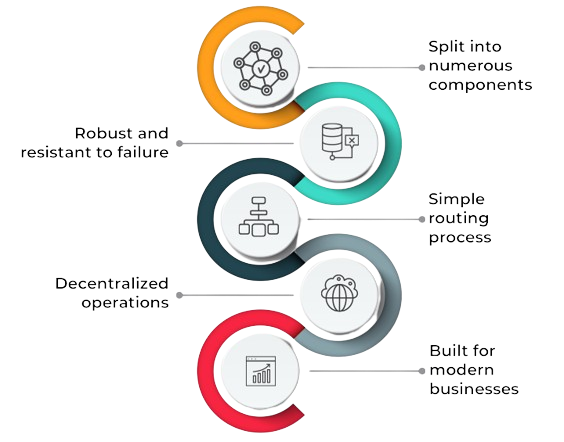
When every part of an application has to scale together, you end up paying to over-provision the parts that don't need it. We build microservices on .NET Core so each service scales, deploys, and fails independently — high-traffic services get more resources without dragging the rest of the system with them.
Microservices Advantages
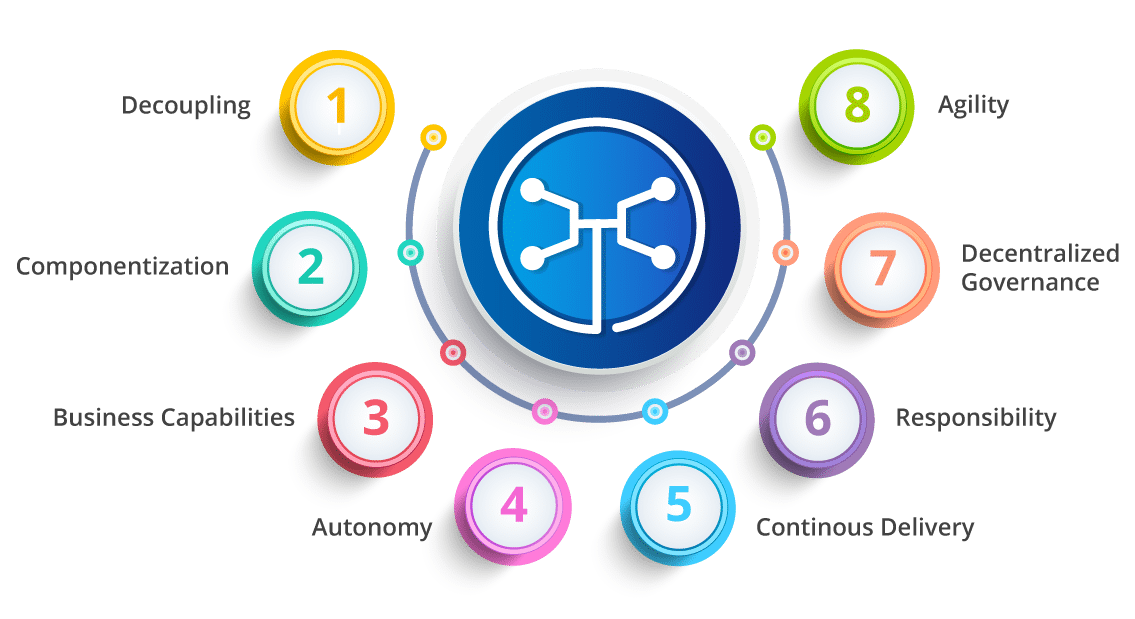
Scalability
Individual components scale independently, so resources go to the services that actually need them.
Flexibility and Agility
Smaller, modular services mean teams can iterate and deploy changes faster, with less risk to the rest of the system.
Resilience
Isolated services keep the system operational even when one service runs into trouble.
Improved Fault Isolation
Issues in one service are less likely to affect the rest of the system, which also makes troubleshooting faster.
Improved Performance
Each service can be optimized for its specific task instead of competing for resources inside a single monolithic codebase.
Easier Maintenance and Updates
Smaller, focused services are easier to maintain and refactor, which keeps technical debt from compounding over time.
Enhanced Fault Tolerance
Isolated services stop failures from cascading through the whole system.