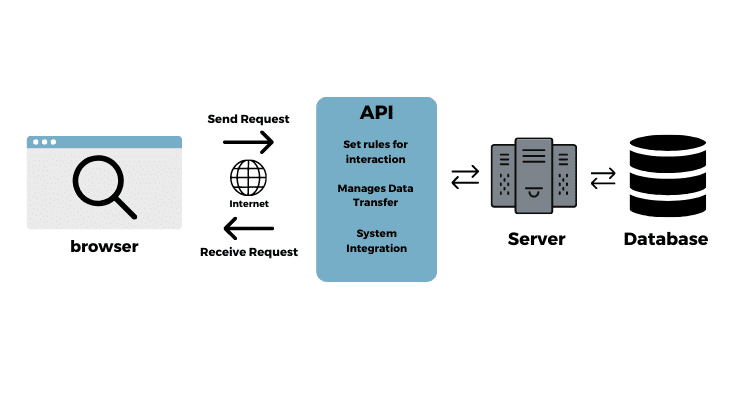
AI + API Integration

A model that can only generate text is a demo. A model that can call your APIs — book, update, fetch, cancel — is a system that does work. The gap between those two is careful integration, not a bigger model.

We wire agents into your internal and third-party APIs with function-calling patterns that define exactly what an agent can invoke, with what parameters, and under what conditions.

Whether it's an agent that updates records across three systems or one that only needs read access to answer questions, we scope the integration to the task instead of exposing everything by default.

What We Set Up in Your API Integration

1. Defined Function-Calling Contracts: Every action an agent can take is defined as a specific function with typed parameters — not open-ended API access the model has to guess how to use correctly.
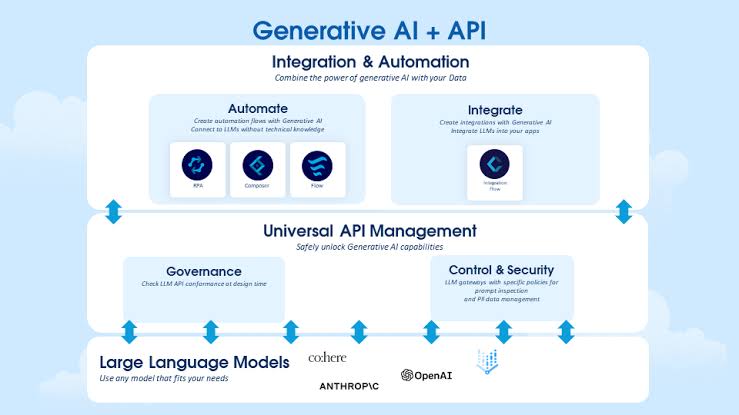
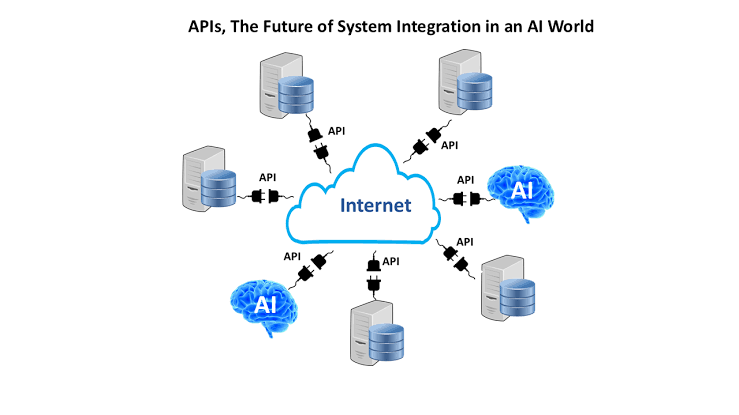
AI and API Integration

2. Rate Limiting and Retry Logic: An agent looping on a failed call can hammer an API or blow through a rate limit fast. We build in backoff, retry, and circuit-breaker logic so a bad response doesn't cascade into an outage.

3. Error Handling an Agent Can Actually Use: API failures are surfaced back to the agent in a form it can reason about — not a raw stack trace — so it can retry, ask for clarification, or hand off to a human instead of silently failing.

4. Cross-System Orchestration: For tasks that touch multiple systems — checking inventory in one, booking in another, notifying a third — we sequence the calls so partial failures don't leave data inconsistent across systems.

5. Scoped Credentials Per Integration: Each API connection runs on credentials scoped to exactly what that integration needs, so a compromised or misused agent can't reach further than intended.

Why Choose Akantik for AI + API Integration?

Connecting an agent to an API is the easy part. Handling what happens when a call fails, times out, or returns something unexpected is where most integrations actually break in production.

Production-Grade Error Handling: We design for the failure paths, not just the happy path, so an integration holds up under real traffic and flaky third-party APIs.

Experience Across API Ecosystems: REST, GraphQL, SOAP, and legacy XML APIs — we've integrated agents against all of them, including systems that were never designed to be called this way.

Built With Guardrails, Not Just Access: Every integration ships with logging, scoped credentials, and rate limits from day one, not added after the first incident.

Want an agent that can actually do something in your systems, not just talk about them? Let's scope the integration.

AI and API Integration

AI + API Integration - Frequently Asked Questions

Common questions about connecting AI agents to internal and third-party APIs.

What is function calling and why does it matter for AI integrations?

Function calling lets an LLM invoke a predefined function with structured parameters instead of just generating text.

It's how an agent moves from suggesting an action to actually performing it — booking, updating, fetching — through your APIs.

How do you prevent an AI agent from misusing API access?

We scope credentials to the minimum required for each integration, define explicit function contracts the agent must follow, and log every call.

Sensitive actions can require human approval before executing.

Can an AI agent integrate with multiple APIs at once for a single task?

Yes, we build orchestration layers that sequence calls across multiple systems for a single task, with error handling that prevents a failure in one system from leaving data inconsistent in another.

What happens if an API call fails while an agent is mid-task?

We build retry logic with backoff for transient failures, and structured error responses the agent can reason about — retrying, asking for clarification, or escalating to a human — instead of the task silently failing.

Can Akantik integrate AI agents with legacy or non-REST APIs?

Yes, we've integrated agents against SOAP, GraphQL, and legacy XML-based APIs that were never designed for this kind of access, wrapping them behind a cleaner interface the agent can use reliably.

Hire Us