Power Platform & Business Process Automation

A lot of business-critical process still runs on a shared spreadsheet, an email chain, and someone remembering the next step. Power Platform turns that into an app with a real workflow, an approval trail, and a person who isn't a single point of failure.

We build on Power Apps, Power Automate, and Power BI where they fit, and drop into custom code where the platform's limits would otherwise force an awkward workaround.

Whether you're automating an approval chain, replacing a spreadsheet-based tracker, or connecting Power Platform to systems it doesn't talk to out of the box, we build for what your process actually needs.

What We Build on Power Platform

1. Power Apps for Line-of-Business Tools: Custom apps for data entry, tracking, and approvals that your team builds and maintains faster than a from-scratch custom application, without sacrificing the parts that need real logic.
Power Platform & Automation

2. Power Automate for Cross-System Workflows: Approval routing, notifications, and data syncing between systems run automatically instead of depending on someone remembering to forward an email.

3. Power BI for Reporting That Updates Itself: Dashboards pull live from source systems instead of a monthly manual export into a spreadsheet someone has to rebuild by hand.

4. Custom Connectors Where the Built-In Ones Stop: When Power Platform needs to talk to an internal system or legacy database it doesn't natively support, we build the connector instead of forcing the process to work around the gap.

5. Governance So Low-Code Doesn't Become Unmanaged Code: Environments, data loss prevention policies, and app lifecycle management are set up from the start, so Power Platform apps stay supportable instead of turning into shadow IT.

Why Choose Akantik for Power Platform?

Power Platform is fast to build on and easy to build badly on. We bring the governance and architecture discipline that keeps a low-code app from becoming next year's unsupported liability.

We Know When Power Platform Isn't the Right Answer: Some processes are better served by a custom application. We tell you that upfront instead of forcing a fit that costs more to maintain later.

Custom Code Where the Platform Runs Out: When a workflow needs logic Power Automate can't express cleanly, we extend it with Azure Functions or a custom connector instead of building a fragile workaround inside the platform.

Built for the Team That Inherits It: Apps and flows are documented and structured so your team can maintain and extend them after we hand off, not just the person who built them.

Still running a critical process through a shared spreadsheet and an email chain? Let's automate it.

Power Platform & Automation

Power Platform & Automation - Frequently Asked Questions

Common questions about Power Apps, Power Automate, Power BI, and business process automation.

What is Microsoft Power Platform?

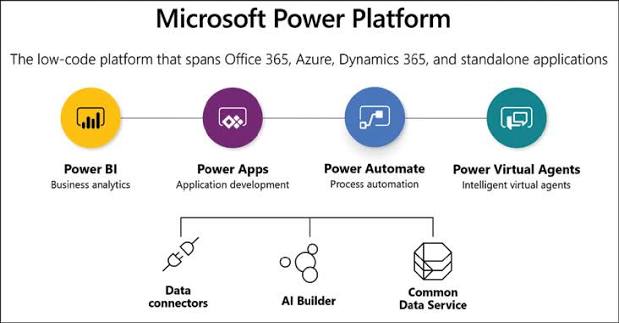
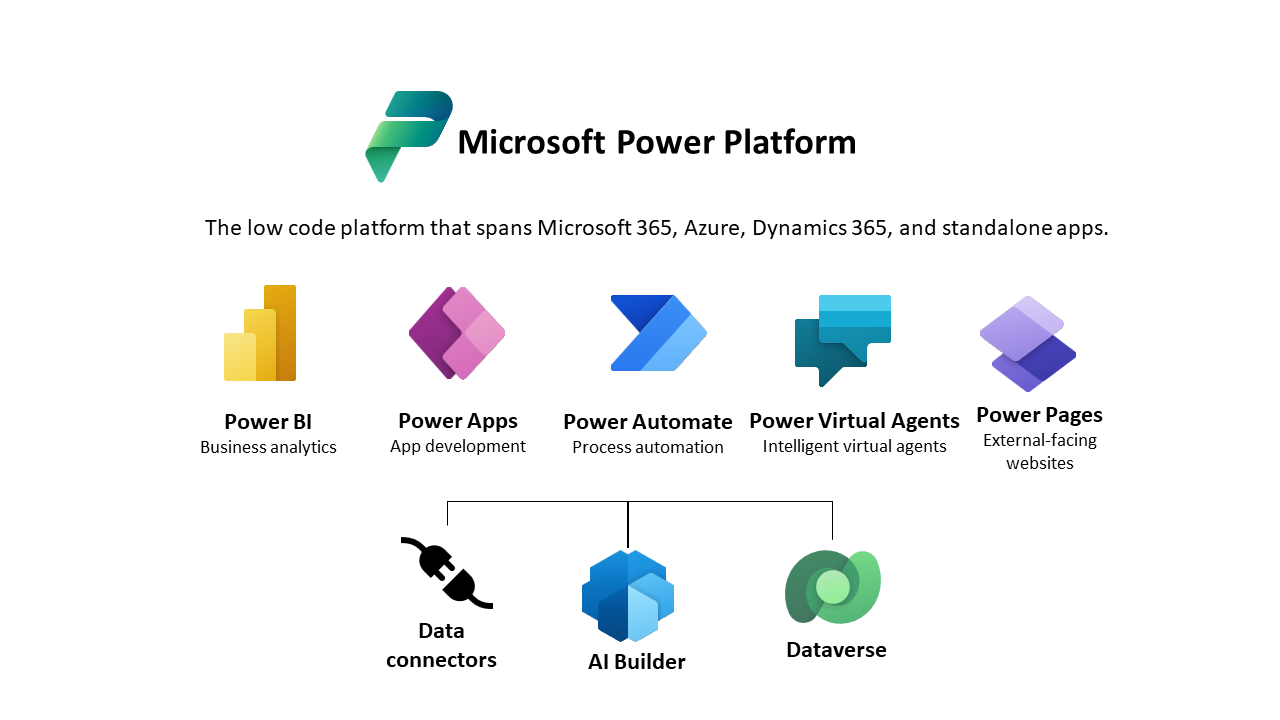
Power Platform is a suite of low-code tools from Microsoft:

  • Power Apps — building applications
  • Power Automate — workflow automation
  • Power BI — reporting and dashboards
  • Power Virtual Agents — chatbots
When should we use Power Platform instead of custom development?

Power Platform fits well for internal tools, approval workflows, and reporting where speed to deploy matters more than deep customization.

Customer-facing applications, complex business logic, or high-scale systems are usually better served by custom development. We assess your specific use case before recommending either.

Can Power Automate connect to our internal systems and databases?

Yes, through built-in connectors for common systems, or a custom connector we build for internal or legacy systems that don't have one out of the box.

What is "shadow IT" risk with Power Platform, and how do you prevent it?

Because Power Platform is easy for non-developers to build in, apps can proliferate outside IT's visibility with no governance, backup, or ownership.

We set up environments, data loss prevention policies, and app lifecycle management upfront to keep it supportable.

Can existing spreadsheet-based processes be migrated to Power Platform?

Yes, this is one of the most common projects — we take a shared spreadsheet or manual process, model it as a proper app or flow with validation, approval steps, and an audit trail, and migrate existing data in.

Hire Us