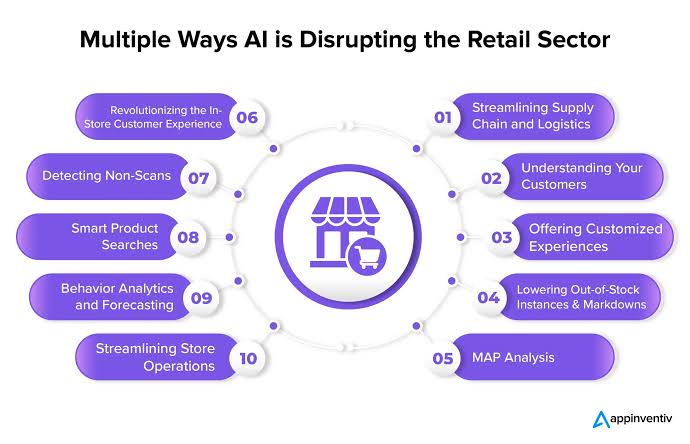
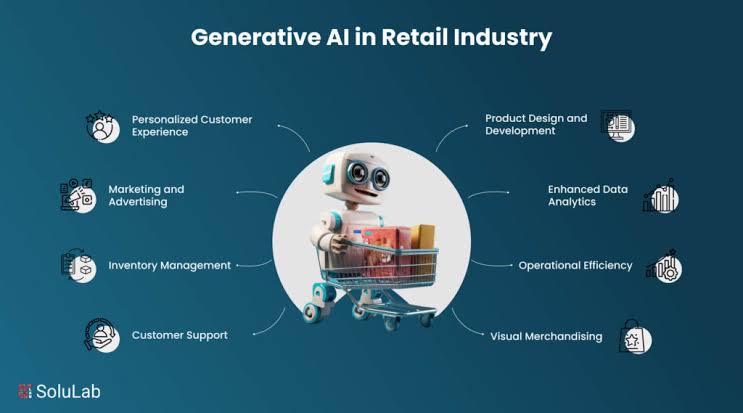
Shelves that are over-stocked in one region and empty in another, recommendations that ignore what a customer actually browsed, and pricing that reacts a week too late — these are data problems, and retail generates more than enough data to solve them.
We build AI tools around your actual catalog, transaction history, and inventory data — not a generic recommendation widget dropped onto a storefront.
Whether you're optimizing inventory, personalizing the shopping experience, or automating customer service, we architect around what moves revenue for your specific catalog and customer base.
What We Build for Retail Teams
1. Personalized Product Recommendations: We build recommendation engines grounded in real browsing and purchase behavior, so suggestions reflect what a customer actually wants instead of generic best-sellers.
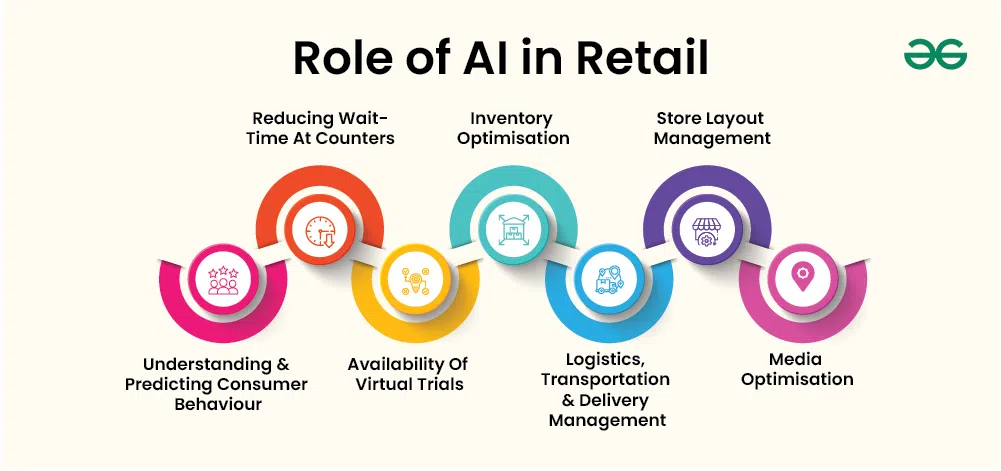
2. Demand Forecasting and Inventory Optimization: Forecasting models trained on your historical sales, seasonality, and regional demand keep shelves stocked without tying up capital in dead inventory.
3. Dynamic Pricing Support: We build pricing models that respond to demand, competitor pricing, and inventory position, so pricing decisions happen in near-real time instead of a manual weekly review.
4. Customer Service Automation: AI-assisted chat handles order status, returns, and product questions automatically, freeing your team for the conversations that actually need a person.
5. Visual Search and Product Tagging: Image-based search and automated product tagging let customers find items by photo and keep your catalog metadata consistent without manual entry.
Why Choose Akantik for Retail AI?
A recommendation engine that ignores your actual inventory position, or a forecast that doesn't account for regional seasonality, isn't useful — it's noise. We build around your real data, not a generic retail template.
Built on Your Catalog and Sales History: Models are trained on your actual product catalog, transaction history, and customer behavior, not a generic dataset that doesn't reflect how your customers shop.
Integrated With Your Existing Stack: We connect AI tools to the POS, e-commerce, and inventory systems you already run instead of asking you to migrate platforms first.
Measured Against Revenue and Margin: We track impact on conversion, stockouts, and margin after launch, so the tool's value is provable, not assumed.
Losing sales to stockouts or a recommendation engine that doesn't convert? Let's scope an AI solution built around your catalog.
Common questions about building AI solutions for retail and e-commerce businesses.
Recommendation engines analyze browsing history, purchase patterns, and product similarity to surface items a specific customer is likely to want, rather than showing the same best-sellers to everyone.
Yes, demand forecasting models trained on historical sales, seasonality, and regional trends predict demand more accurately than manual planning, reducing both stockouts and excess inventory tying up capital.
Dynamic pricing adjusts prices based on real-time demand, competitor pricing, and inventory position. AI models process these signals continuously so pricing decisions happen in near-real time instead of a manual weekly review.
Yes, AI-assisted chat can handle order status, returns, and common product questions automatically, resolving routine requests instantly while routing complex issues to a human agent.
Visual search lets customers find products by uploading a photo instead of typing keywords. Combined with automated product tagging, it also keeps catalog metadata consistent without manual data entry.