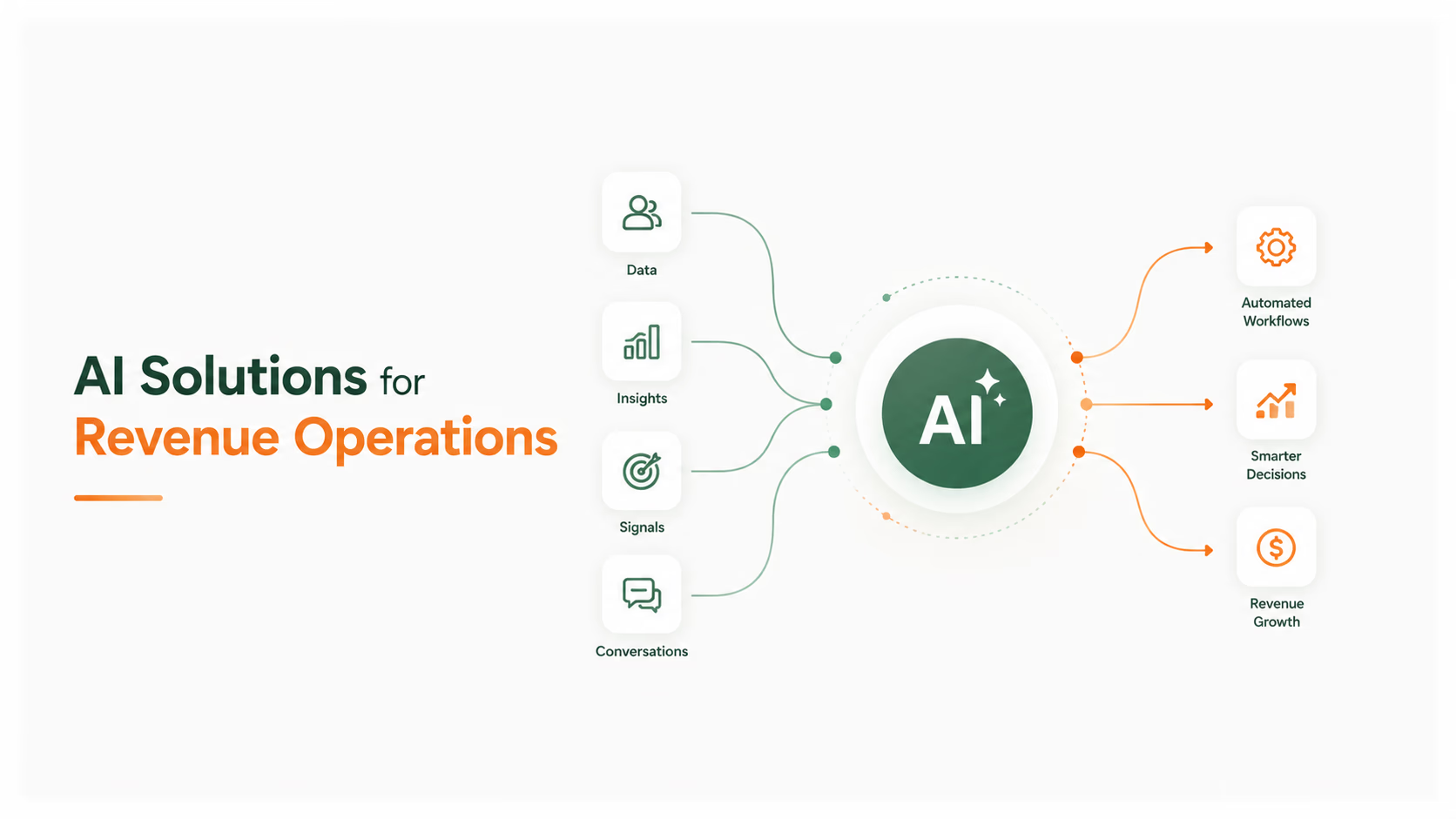
AI Solutions for Operations

Most operational inefficiency isn't hiding — it's sitting in your own process logs and scheduling data, unexamined because nobody has time to dig through it. We build AI tools that surface it and act on it.

We start by mining your actual process data to find where time and resources leak, instead of guessing at what "digital transformation" should mean for your operation.

Whether it's surfacing bottlenecks, catching anomalies before they cascade, or optimizing how resources get scheduled, we build around your existing systems and workflows.

What We Build for Operations Teams

1. Process Mining for Hidden Automation Opportunities: We analyze your actual process logs to find where handoffs stall, where rework happens, and where a manual step could be automated — grounded in real data, not a workshop guess.
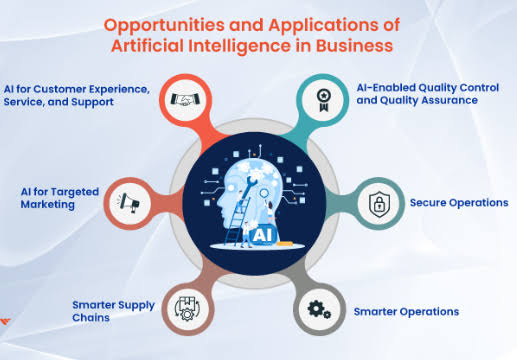
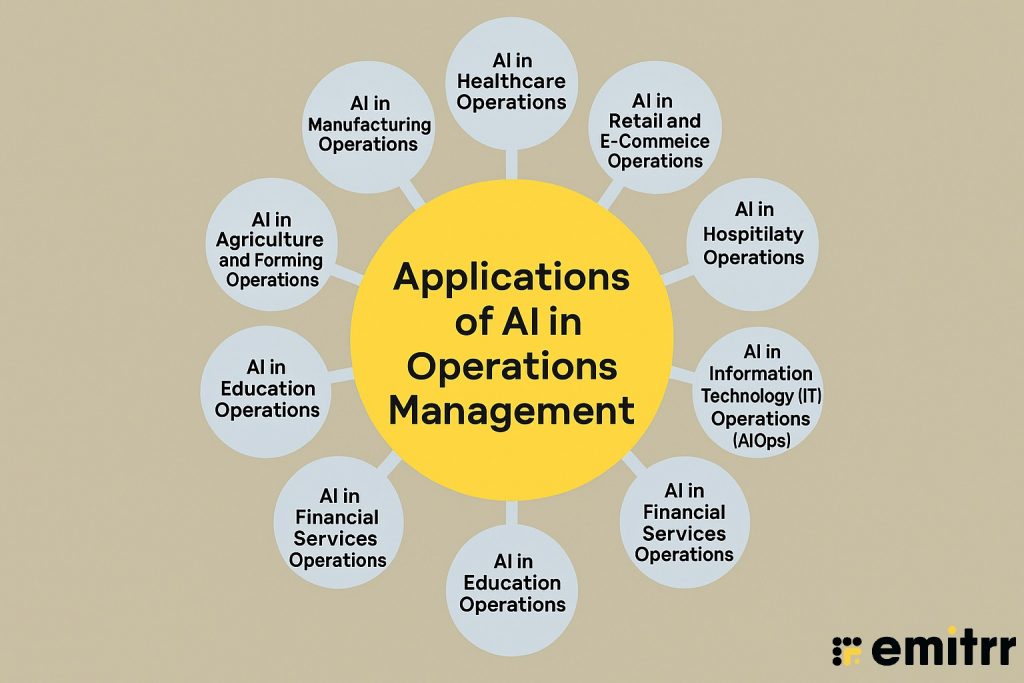
AI for Operations
AI for Operations

2. Anomaly Detection in Operational Data: Models trained on your normal operating patterns flag deviations — a sensor reading, a throughput dip, a cost spike — early enough to act before it becomes an incident.

3. Resource and Scheduling Optimization: We build scheduling models that account for real constraints — staffing, equipment, demand — so resources are allocated efficiently instead of by whoever built the spreadsheet last quarter.

4. Automated Operational Reporting: Reports that used to take a day of manual compilation get generated automatically from live data, so your team spends time acting on numbers instead of assembling them.

5. Integration With Systems You Already Run: We connect into your existing ERP, WMS, or operational systems instead of asking you to adopt a new platform just to get AI-driven insight.

Why Choose Akantik for Operations AI?

An operations AI project that starts with a dashboard nobody asked for isn't useful. We start with your process data and work backward to what's actually worth automating.

Grounded in Your Actual Process Data: We mine your real logs and metrics before recommending anything, so the roadmap reflects your operation, not a generic best-practices list.

Built to Integrate, Not Replace: We connect to the ERP, WMS, and scheduling systems you already run instead of proposing a platform migration your team didn't ask for.

Measured by Time and Cost Saved: We track the actual hours and cost recovered after launch, so the investment's return is provable, not assumed.

Spending too much time on manual reporting or catching problems after they've already cost you? Let's mine your process data for what's actually worth fixing.

AI for Operations

AI for Operations - Frequently Asked Questions

Common questions about building AI solutions for operations and process teams.

What is process mining and how does it help operations?

Process mining analyzes your actual process logs and system data to reconstruct how work really flows, surfacing bottlenecks, rework, and manual steps that are candidates for automation — based on real data instead of assumptions.

How does anomaly detection prevent operational incidents?

Models trained on your normal operating patterns flag deviations — an unusual throughput dip, a cost spike, a sensor reading out of range — early enough for your team to intervene before it escalates into a larger incident.

Can AI improve resource and staff scheduling?

Yes, scheduling optimization models account for real constraints like staffing levels, equipment availability, and demand forecasts to allocate resources more efficiently than manual scheduling.

Will AI operations tools integrate with our existing ERP or WMS?

Yes, we build integrations into the ERP, WMS, or operational systems you already run, so AI-driven insight is added to your existing stack rather than requiring a platform migration.

How is the ROI of an operations AI project measured?

We track actual hours saved on manual reporting, incidents caught before escalation, and cost recovered through scheduling and resource optimization after launch, so the return on the investment is measurable rather than assumed.

Hire Us