Multi-Agent System Development

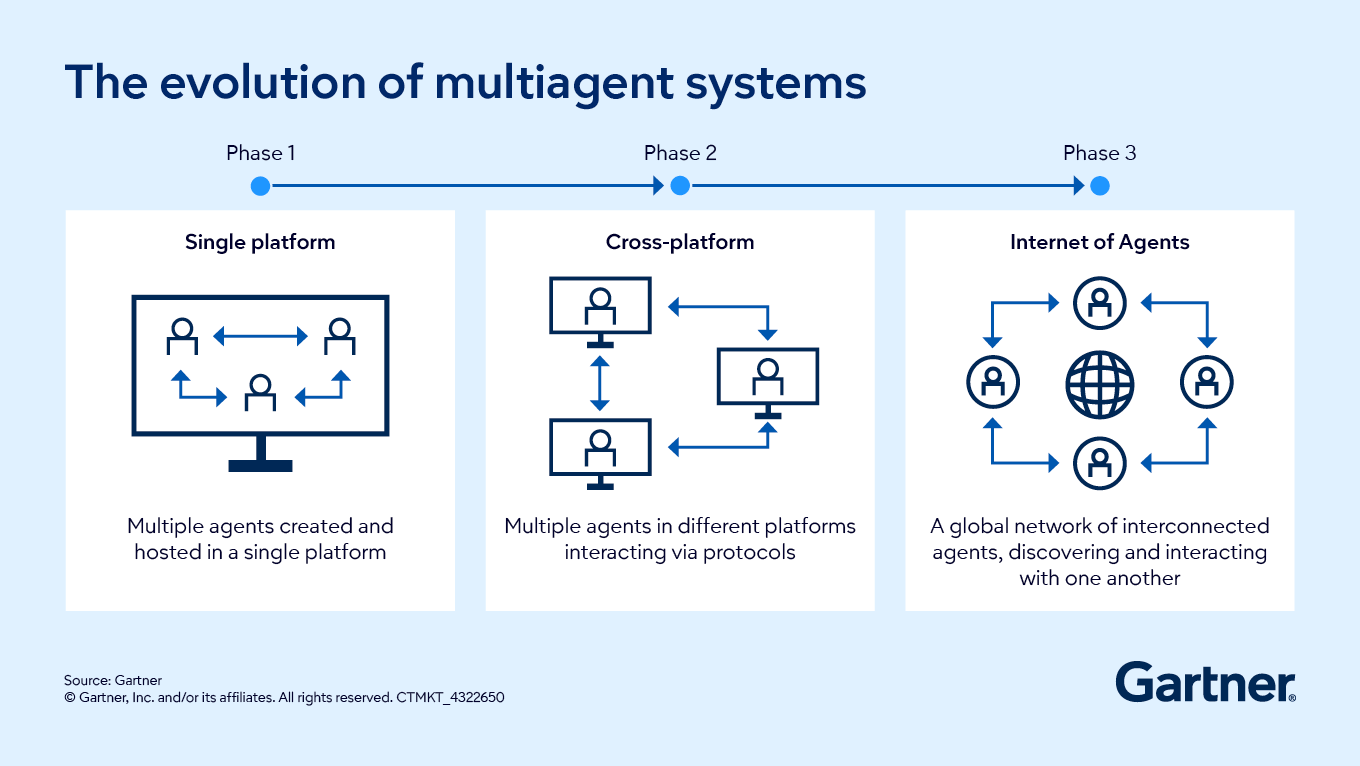
A single agent trying to do everything — plan, research, execute, and check its own work — tends to do all of it worse. Multi-agent systems split the job across specialized agents that hand work off to each other, closer to how a real team operates.

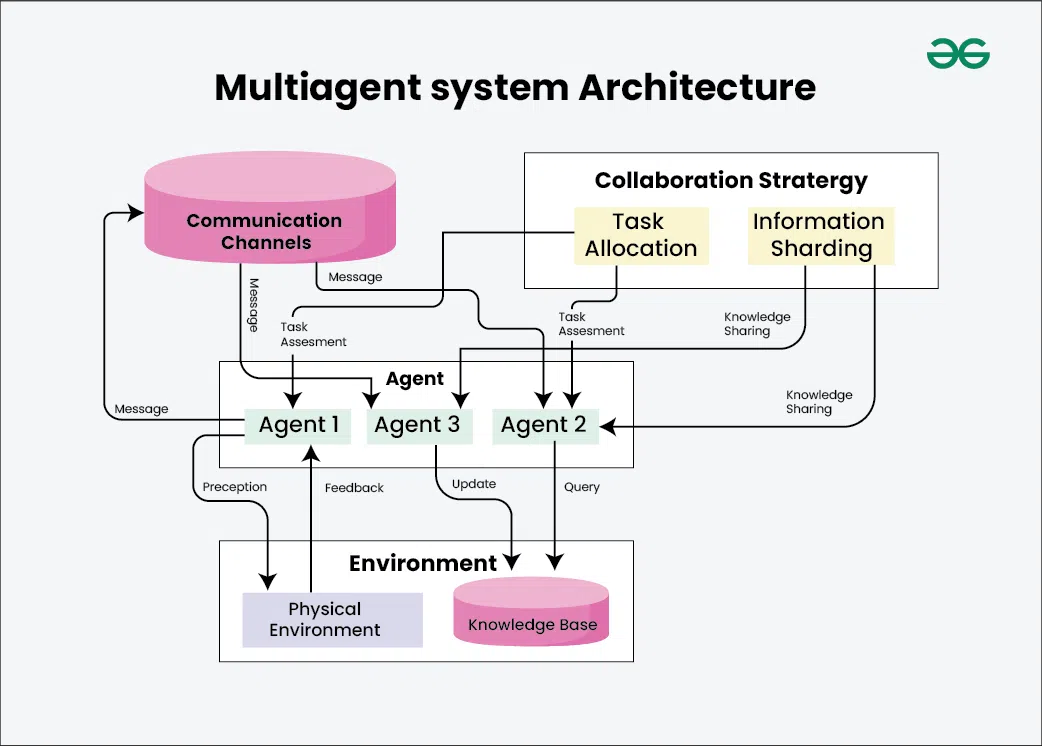
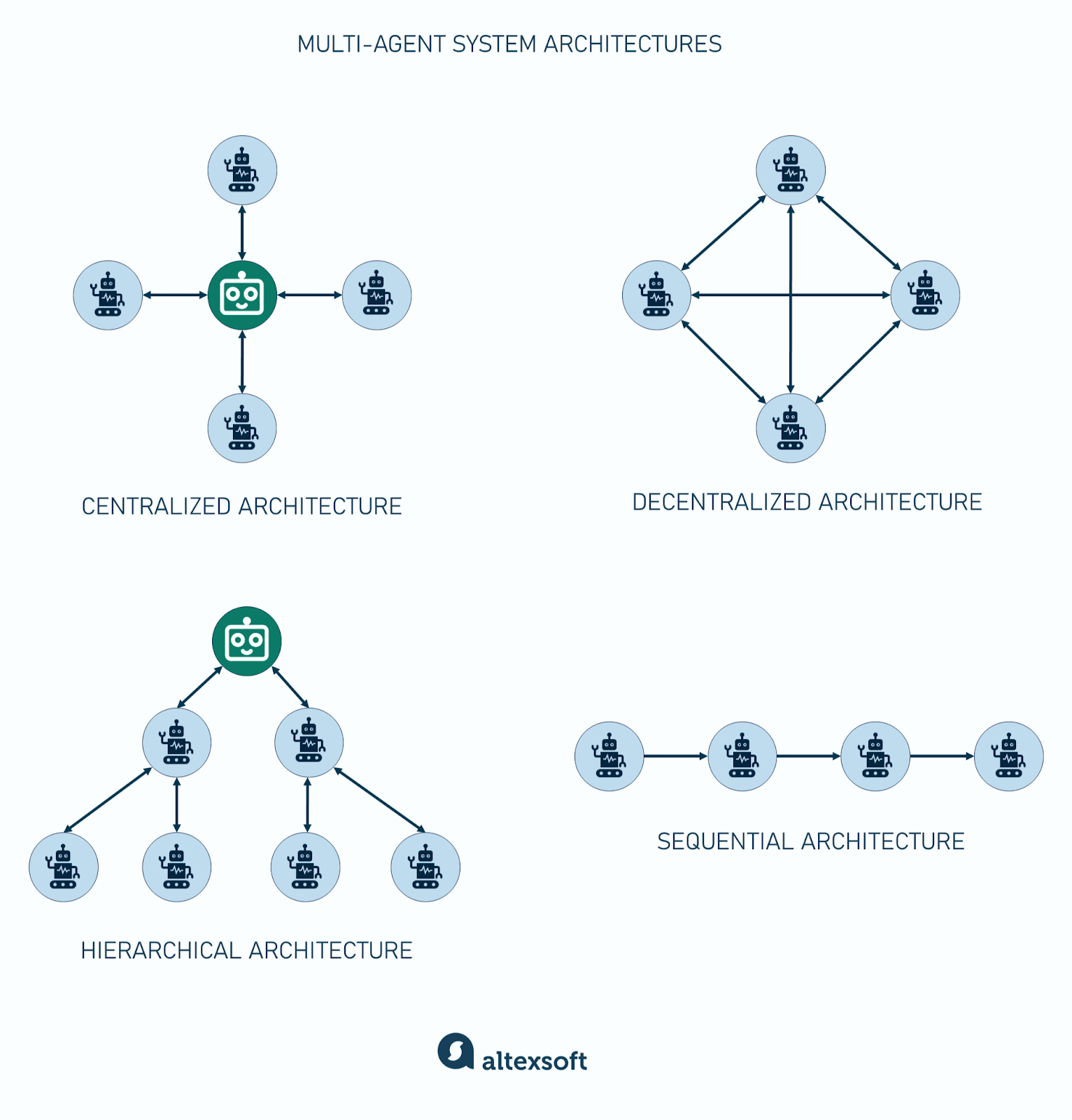
We design the orchestration — who does what, in what order, and how they communicate — so the system stays predictable instead of turning into a black box nobody can debug.

Whether you're automating research, running complex multi-step workflows, or building agents that need to check each other's work, we architect the system around your actual task, not a generic template.

What We Build

1. Planner/Executor/Reviewer Patterns: One agent breaks the task down, another carries it out, and a third checks the result before it's treated as done — catching mistakes a single agent would miss reviewing its own work.
Multi-Agent Systems
Multi-Agent Systems

2. Agent-to-Agent Communication Design: We define how agents pass context, results, and errors to each other, so handoffs don't silently drop information the next agent needed.

3. Framework Selection That Fits the Task: AutoGen, CrewAI, LangGraph, or a lighter custom orchestration — we pick based on what your workflow actually needs, not whichever framework is trending.

4. Research and Workflow Automation: From multi-source research synthesis to complex approval and processing chains, we build agent teams that carry a task from start to finish without a human stitching each step together.

5. Guardrails Against Runaway Loops: Step limits, cost caps, and escalation paths are built in from the start, so an agent stuck in a loop fails safely instead of burning through your API budget overnight.

Why Choose Akantik for Multi-Agent Systems?

Multi-agent systems are easy to demo and hard to trust in production — the failure modes multiply with every added agent. We design for observability from day one, not as a fix after something breaks silently.

Orchestration Built for Debugging: Every agent's decisions and handoffs are logged, so when something goes wrong, you can trace exactly where and why — not just that the final output was bad.

Cost Controls From the Start: We cap steps and set budget alerts before launch, not after an unexpected bill.

Systems Simple Enough to Maintain: We use the minimum number of agents the task actually needs — adding agents for the sake of it just adds more places for things to go wrong.

Have a workflow too complex for a single agent to handle well? Let's design a multi-agent system that stays predictable.

Multi-Agent Systems

Multi-Agent Systems - Frequently Asked Questions

Common questions about building and orchestrating multi-agent AI systems.

What is a multi-agent AI system?

A multi-agent system splits a complex task across multiple specialized AI agents that collaborate — one might plan, another execute, and another review — instead of relying on a single agent to do everything.

When do I need multiple agents instead of one?

Multi-agent systems make sense when a task has distinct phases requiring different skills or context, when self-checking improves reliability, or when parallel work by specialized agents is faster than one agent doing it sequentially.

What frameworks does Akantik use for multi-agent orchestration?

We work with AutoGen, CrewAI, LangGraph, and Semantic Kernel, along with lighter custom orchestration when a full framework adds more complexity than the task needs.

How do you prevent agents from getting stuck in loops or racking up costs?

We build in step limits, timeout thresholds, and cost caps per run, along with escalation paths that hand a stuck task to a human instead of letting agents retry indefinitely.

What are common use cases for multi-agent systems?

Common use cases include multi-source research synthesis, complex document review and approval chains, automated testing and code review pipelines, and workflows requiring cross-checking between specialized roles.

Hire Us